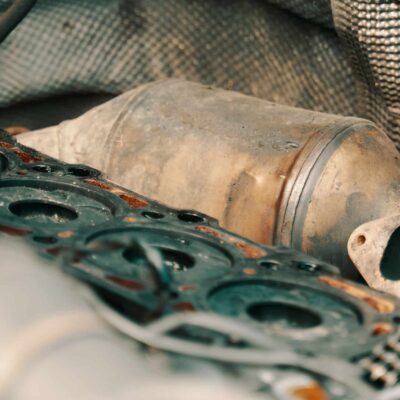


If you drive a modern diesel vehicle, you have likely spotted that dreaded dashboard warning light, the one resembling a pipe filled with tiny, blowing bubbles. That is your Diesel Particulate Filter (DPF), and it is telling you that it needs to breathe.
To keep your car running smoothly, you need to understand the two ways your vehicle handles this: passive versus active regeneration. Let us break down how this works.
Understanding DPF Blockage
Every time your diesel engine runs, it produces soot. The DPF acts as a physical trap, capturing these harmful particulate matter before they can escape into the atmosphere. However, just like any filter, it has a finite capacity. If the soot is not regularly burned off through a process called regeneration, the filter will clog. When this happens, you will experience a drastic drop in fuel efficiency, a sluggish throttle response, and your vehicle might even force itself into a frustrating “limp mode” to protect the engine from severe backpressure damage.
What is Passive Regeneration?
Passive regeneration is the ideal, automatic way your car cleans its filter. It happens naturally when you drive at sustained high speeds over a prolonged period, such as a thirty-minute cruise on the motorway.
During these runs, the exhaust temperature rises naturally to around 350 to 500 degrees Celsius. At this intense heat, the trapped soot catches fire and cleanly burns away, converting into a tiny amount of harmless ash. If your daily routine includes frequent motorway driving, your car is likely performing passive regeneration completely in the background without you ever noticing a single thing.
What is Active Regeneration?
The problem arises when your car is used mostly for short journeys, school runs, or stop-and-start city commuting. Under these driving conditions, the engine never reaches the high temperatures required for passive regeneration. The soot continues to pile up.
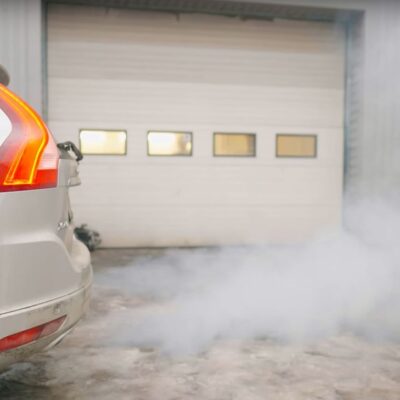
Once the filter hits a specific limit, usually around 45% capacity, your car’s Engine Control Unit (ECU) takes matters into its own hands. It initiates active regeneration by deliberately injecting extra fuel into the engine cylinders. This unburnt fuel travels into the exhaust system, artificially spiking the temperature to over 600 degrees Celsius to force the soot to burn off. You might notice a higher idle speed, a distinct acrid smell, or the cooling fans running loudly during this cycle.
The Problem With Short Journeys
Active regeneration is a fantastic backup plan, but it requires time to finish. If you arrive at your destination and turn off the engine mid-cycle, the process fails.
Repeatedly interrupting this cycle means the soot continues to build up rapidly. Even worse, the excess fuel injected during failed active attempts can slowly seep down past the piston rings, contaminating your engine oil and raising the oil level, which can cause severe internal engine wear. Eventually, the filter becomes so heavily choked that the car can no longer clear it automatically.
FiveStar Autocentre, Premier DPF Solution
When your dashboard light stays on and automatic cycles fail, you need an expert team with specialised diagnostic tools. FiveStar Autocentre is your premier local solution for advanced diesel vehicle care. Our experienced technicians do not just clear the warning code; we use state-of-the-art equipment to measure precise pressure levels, identify the root cause of the blockage, and restore your filter to optimum health.
We provide transparent advice and reliable solutions that save you from the staggering costs of a total filter replacement. If you are experiencing persistent dashboard warnings or a sudden loss of performance, do not risk major engine damage. Get in touch with our amazing team today for the highest quality professional DPF cleaning in Huddersfield and get your car running perfectly again.