
For diesel drivers, the dreaded dashboard warning light is often traced back to a single culprit: AdBlue crystallisation. This chemical phenomenon occurs when the water content in your emissions fluid evaporates, leaving behind solid urea deposits that choke lines, foul injectors, and trigger costly limp-mode count downs.
Understanding why this buildup happens and how to reverse it is essential for protecting your vehicle and maintaining peak performance. This professional guide breaks down the precise causes of crystallisation and explores the most effective solutions to keep your system clean.
Causes of AdBlue Crystallisation
1. Incomplete Thermal Decomposition
The primary catalyst for urea solidifying is an insufficient operating temperature within the vehicle’s exhaust stream. AdBlue requires blistering heat to atomise cleanly and break down into ammonia, the compound responsible for neutralising harmful exhaust emissions. When a diesel vehicle is driven primarily on short, low-speed city journeys, the exhaust never reaches the required thermal threshold, causing the injected liquid to puddle and solidify.
2. Poor Quality Emissions Fluid
Using cheap, non-standard, or poorly stored fluid introduces chemical variances that significantly accelerate the buildup of crusty deposits. High-quality fluid adheres to a strict formula of pure urea dissolved in deionised water. If the fluid sits in open containers, exposed to air or extreme heat before filling, the crucial water content evaporates prematurely, drastically shifting the chemical balance and causing immediate precipitation inside the tank.
3. Minor System Fluid Leaks
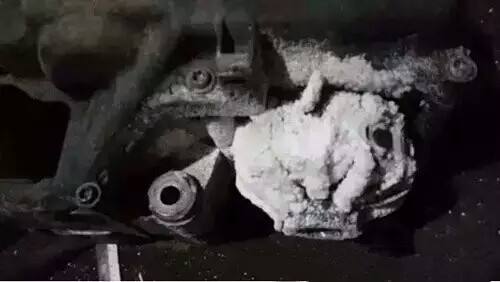
Microscopic physical gaps in the transport infrastructure, such as worn seals, loose hose couplers, or cracked line casings, create a perfect environment for crystallisation. When pressurised fluid seeps through these tiny structural imperfections, it immediately comes into direct contact with external air. The water carrier evaporates instantly on the exterior surface, forming rapidly expanding, crusty white deposits that can migrate backwards and block the lines completely.
4. Faulty Dosing Injector Calibration
If the vehicle’s central engine control computer or internal pressure sensors fall out of calibration, the system may over-saturate the exhaust stream. When the injector pulses too frequently or sticks slightly open, it delivers far more liquid than the exhaust volume can vaporise. This excess fluid pools at the bottom of the catalytic converter chamber, cooling the metal walls and accelerating the formation of dense crystalline rock.
Solutions for Crystallisation
Targeted Chemical Additive Flushing
The most efficient non-invasive remedy involves introducing specialised chemical conditioners directly into the storage tank. These advanced anti-crystallisation additives break down the rigid molecular bonds of crystallised urea, slowly dissolving existing blockages throughout the internal pipework. Furthermore, they lower the freezing point and stabilise the solution, preventing new solids from forming during cold weather spells or short, low-temperature commutes.
Hardware Dismantling and Thermal Cleaning
When crusting severely restricts component flow, technicians manually extract the affected injectors and dosing valves for intensive cleaning. These choked components are submerged in controlled, ultra-hot water baths, which safely dissolve the hard urea crust without damaging delicate internal electrical solenoids or precise spray nozzles. This manual restoration process effectively returns clogged delivery hardware to factory-standard flow calibration profiles.
Software Updates and Sensor Adaptation
Resolving recurring fluid stagnation often requires updating the engine control unit with the manufacturer’s latest software calibrations. These digital updates alter the precise timing, volume, and temperature parameters required for fluid injection, ensuring dosing only occurs when the exhaust is hot enough. Calibrating the system ensures the computer accurately tracks fluid states, drastically reducing the instances of accidental overdosing.
Component Replacement and Pipe Renewal
In advanced scenarios, crystallisation has caused extensive backpressure, internal pump seals rupture, or heating elements burn out entirely. When physical components are structurally compromised by solid urea expansion, partial or complete replacement of lines and modules becomes mandatory. Installing original equipment manufacturer parts ensures long-term structural compatibility, preventing future chemical leaks that initiate the crystallisation loop all over again.
Expert AdBlue Servicing at FiveStar Autocentre
Dealing with emissions malfunctions requires specialised diagnostic tools and certified technical expertise. Our Adblue services in Huddersfield are recognised as a top-notch independent garage, fully equipped to handle advanced AdBlue diagnostics, chemical flushing, and precision component overhauls. Our master technicians utilise dealer-level equipment to isolate crystallisation faults swiftly, saving you time and avoiding the premium pricing of franchise dealerships. Whether you need a preventative system flush or complex component repair, FiveStar Autocentre provides reliable, manufacturer-approved service. Contact us at FiveStar Autocenter today to schedule your system check and secure trouble-free driving.