
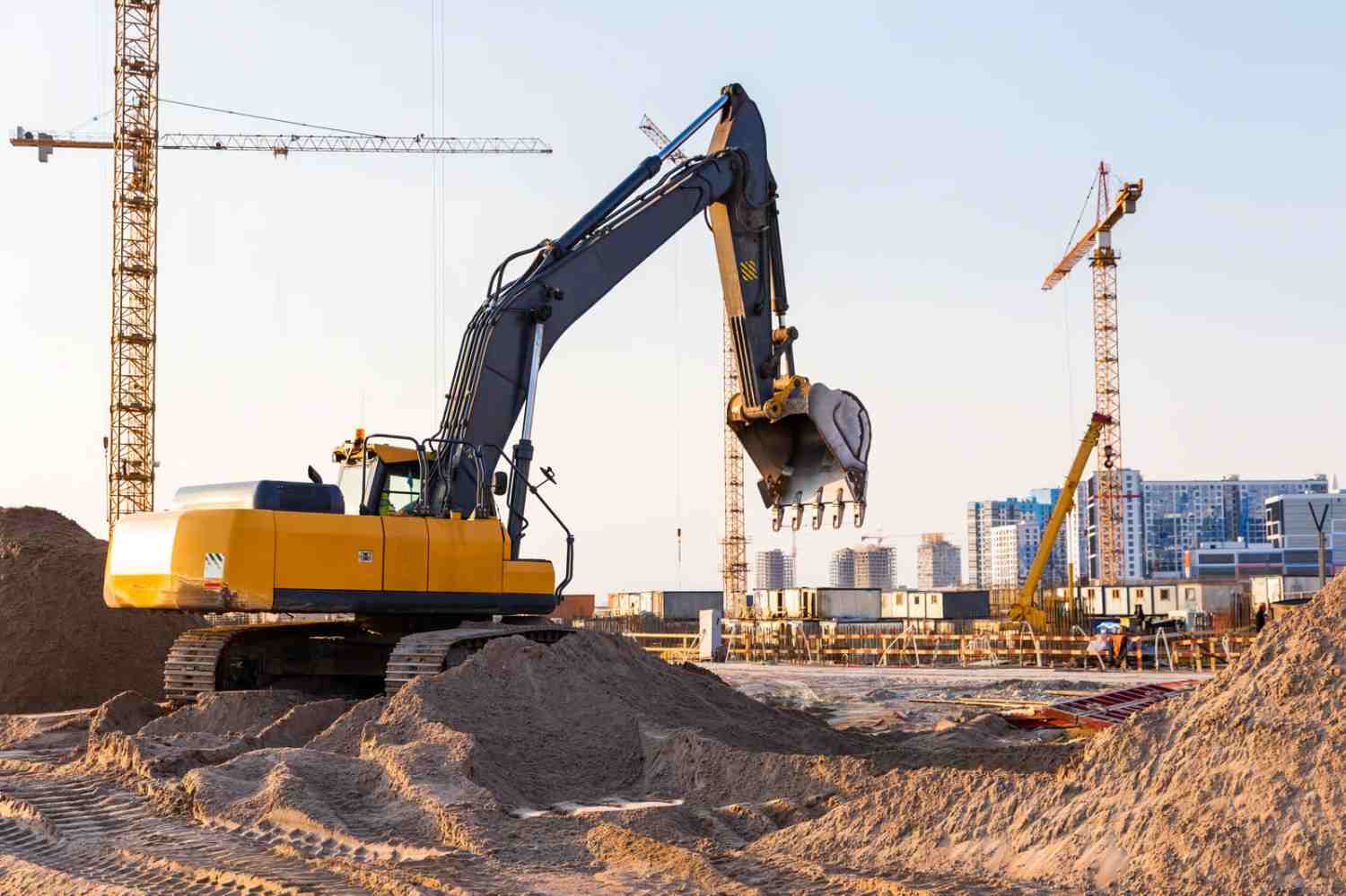
Summer is the peak season for construction. Contracts are piling up, deadlines are tight, and your heavy machinery is working double shifts. But while the sunny weather keeps the project moving, the combination of extreme heat, relentless dust, and high operating temperatures creates a silent killer for your tracked machines.
At the heart of your excavator’s mobility is the final drive unit. This critical component converts hydraulic energy into mechanical force for movement, ensuring efficient power delivery to your machine’s tracks. If the final drive fails, your entire operation grinds to a costly halt.
In this comprehensive guide, we will look at why summer poses a unique threat to your drive train, share a cautionary real-life tale, and provide a step-by-step checklist to keep your excavator spinning its sprockets smoothly all season long.
The Mid-July Meltdown: A Cautionary Tale from the Field
It was mid-July, and the thermometer on the dashboard of Mike’s pickup truck read a blistering 36°C (97°F) in the shade. Mike, an experienced owner-operator, was in the middle of a high-stakes road preparation contract. His 20-ton tracked excavator was the backbone of the entire site.
During his morning walkaround, Mike noticed a slight dampness around the final drive housing on the left track. It was a minor seal leak—just a tiny drop of gear oil mixing with the dry, powdery clay. With a deadline looming and the main pump humming perfectly, Mike made a decision many operators make: “I’ll just top up the hydraulic oil, ignore the minor grease, and finish the week. It’s too hot to stop now.”
That decision cost him dearly.
By Friday afternoon, under the relentless sun and intense pressure of moving heavy clay on rough terrain, the internal temperature of the gear reduction system skyrocketed. The tiny leak had drained the vital lubrication within days. Without clean lubrication, the planetary gear system experienced excessive friction. Mid-shovelful, a violent grinding noise echoed from the undercarriage. The track locked up.
The result? The excavator was stranded in a deep trench, blocking the entire haul road. Mike faced costly repairs, missed his weekend deadline, and had to pay for an emergency replacement unit and express transport. A simple $50 seal replacement turned into a $6,000 disaster—all because of deferred maintenance.
Why Summer Heat is the Ultimate Test for Your Final Drives
To prevent a disaster like Mike’s, it helps to understand how your final drive unit operates and why hot weather accelerates its wear.
Tracked vehicles use final drives to rotate sprockets for movement. This hydrostatic final drive utilizes hydraulic power from the engine’s main pump to produce output torque. Inside the housing, two main components work in harmony: the hydraulic motor (which provides high speed, low torque rotational power) and the planetary gearbox (which acts as the final stage of gear reduction).
The assembly of a final drive usually includes a pinion gear and a ring gear, alongside a central sun gear and multiple planet gears. This complex system reduces the rotational speed of the motor and multiplies the rotational torque. In heavy machinery, planetary gearboxes typically achieve reduction ratios between 1:30 and 1:80. This massive gear ratio is what gives your excavator enough power to climb steep, rough terrain at lower speeds.
The Double-Whammy: Heat and Dust
When ambient temperatures rise, your machinery struggles to dissipate heat.
- Viscosity Breakdown: Extreme operating temperatures cause your final drive oil to thin out. When gear oil loses its viscosity, it can no longer maintain a protective film between the heavy-duty gears, bearings, and the drive shaft.
- Seal Vulnerability: High-quality duo-cone seals (mirror-face seals) are designed to prevent dirt, dust, and water from entering the gearbox while keeping the oil locked inside. However, heat causes metal components to expand and rubber O-rings to degrade. Once a seal fails, highly abrasive dust penetrates the gearbox, turning your lubricating oil into a grinding paste that rapidly destroys the planetary gears.
The Ultimate Summer Maintenance Checklist for Tracked Excavators
Preventative maintenance is the difference between a highly profitable summer and an unexpected bankruptcy. Add these five critical steps to your summer service routine:
1. The 100-Hour Oil Level Check
Do not wait for a scheduled service to check your gear oil. You should check final drive oil levels every 100 operating hours.
- Position the final drive so that one plug is at the 12 o’clock position (top) and the other is at the 3 o’clock or 9 o’clock position (middle).
- Remove the middle plug. The oil should be level with the bottom of the plug hole. If it is low, top it up immediately with the manufacturer-recommended gear oil. Proper lubrication protects the last set of reduction gears and helps keep the machine moving reliably through long summer shifts.
2. Perform Oil Changes on Schedule
High summer temperatures degrade oil twice as fast as cool spring conditions. Change final drive oil every 250 to 500 operating hours. When draining the old oil, inspect it closely. If you see shiny metallic flakes, it indicates severe gear wear or bearing failure, meaning your final drive components require immediate professional inspection before further damage occurs.
3. Monitor and Clean Around the Duo-Cone Seals
As part of regular maintenance, clear out any accumulated mud, clay, and rocks from around the sprocket and the back of the final drive housing. Packed dirt puts immense pressure on the drive shaft and the duo-cone seals, leading to premature failure. If you spot even a minor oil film or leak, stop the machine and replace the seal. Common issues around the seal area often begin with packed debris and a slight oil film before turning into a leak. Remember: a minor seal leak can drain gearbox oil within days.
4. Listen for Early Warning Signs
Before a final drive fails completely, it usually gives you warning signs. Train your operators to listen for unusual noises. High-pitched squealing, growling, or clicking sounds indicate worn bearings or chipped gear teeth. If the machine feels sluggish on one side, or struggles to climb slopes with enough power, your hydraulic motor or gearbox efficiency is dropping.
5. Check Track Tension
Hot weather can cause steel tracks to expand slightly, and dry terrain alters how your machine interacts with the ground. Incorrect track tension increases the load on your final drive motors. If the tracks are too tight, they create excessive friction and drag, forcing the drive train to work harder and run significantly hotter.
? Pro Tip: “Develop a 30-second end-of-day habit this summer. Before turning off the engine, take a quick glance around the final drive housing and sprocket. A fresh oil sheen mixing with dry dust is your first red flag. Catching it at dusk is the difference between a quick seal replacement and a destroyed planetary gear that grinds your entire job site to a halt mid-week.”
When Prevention Fails: Fast Replacement with Track Motor
When preventative maintenance is no longer enough and a replacement final drive is urgent, Track Motor. provides a fast, cost-effective solution. Since 2018, this specialized European distributor has supplied high-quality final drives and hydraulic motors for tracked excavators worldwide, shipping directly from their central warehouses to minimize costly jobsite downtime. As the exclusive dealer of the ATM brand and a trusted partner of leading manufacturers like Eaton, Bonfiglioli, Comer, and Nabtesco, Track Motor offers innovative, hybrid final drives engineered to fit a wide range of machinery models perfectly. Because every single replacement unit is rigorously load-tested in state-of-the-art factories before dispatch, customers receive a highly reliable, virtually failure-free product backed by a full warranty and professional pre- and post-sale technical support.
FAQ
What is the typical gear reduction ratio in an excavator’s planetary gearbox?
In heavy-duty tracked machines, planetary gearboxes typically achieve reduction ratios ranging from 1:30 to 1:80. This high reduction ratio allows the high-speed hydraulic motor to be converted into the massive rotational torque required to move heavy excavators across rough terrain.
Why are planetary gear drives preferred over other gear designs in heavy machinery?
Planetary gear systems distribute the mechanical load evenly across multiple planet gears surrounding a central sun gear. This compact design offers exceptional load-bearing capacity, high torque transmission, and superior durability compared to simpler spur gear designs; by contrast, heavy-duty trucks may use double-reduction final drives when much higher torque capacity and durability are required, with the secondary reduction gear mounted in the differential case.
How quickly can a minor seal leak ruin my final drive gearbox?
Extremely quickly. Because a final drive housing holds a relatively small volume of gear oil, even a minor duo-cone seal leak can completely drain the gearbox within just a few days of heavy summer operation, leading to total failure and costly repairs.
Can I use standard automotive transmission fluid in my excavator’s final drive?
Absolutely not. Tracked machines require heavy-duty gear oil (typically SAE 80W-90 or 90EP) with specific extreme-pressure additives. These oils are formulated to maintain viscosity under the immense heat and load experienced by heavy machinery.
What is the primary role of the duo-cone seal in hot, dusty conditions?
The duo-cone seal acts as a dual-purpose barrier. It features precision-ground metal rings that slide against each other, successfully keeping vital lubricating oil inside the final drive while completely blocking out destructive environmental contaminants like dust, fine sand, and water. In construction machinery, that seal is what keeps the sprocket driving the machine’s tracks rather than letting contamination destroy the components that transmit engine power to rotating wheels and move the vehicle forward across rough terrain.